
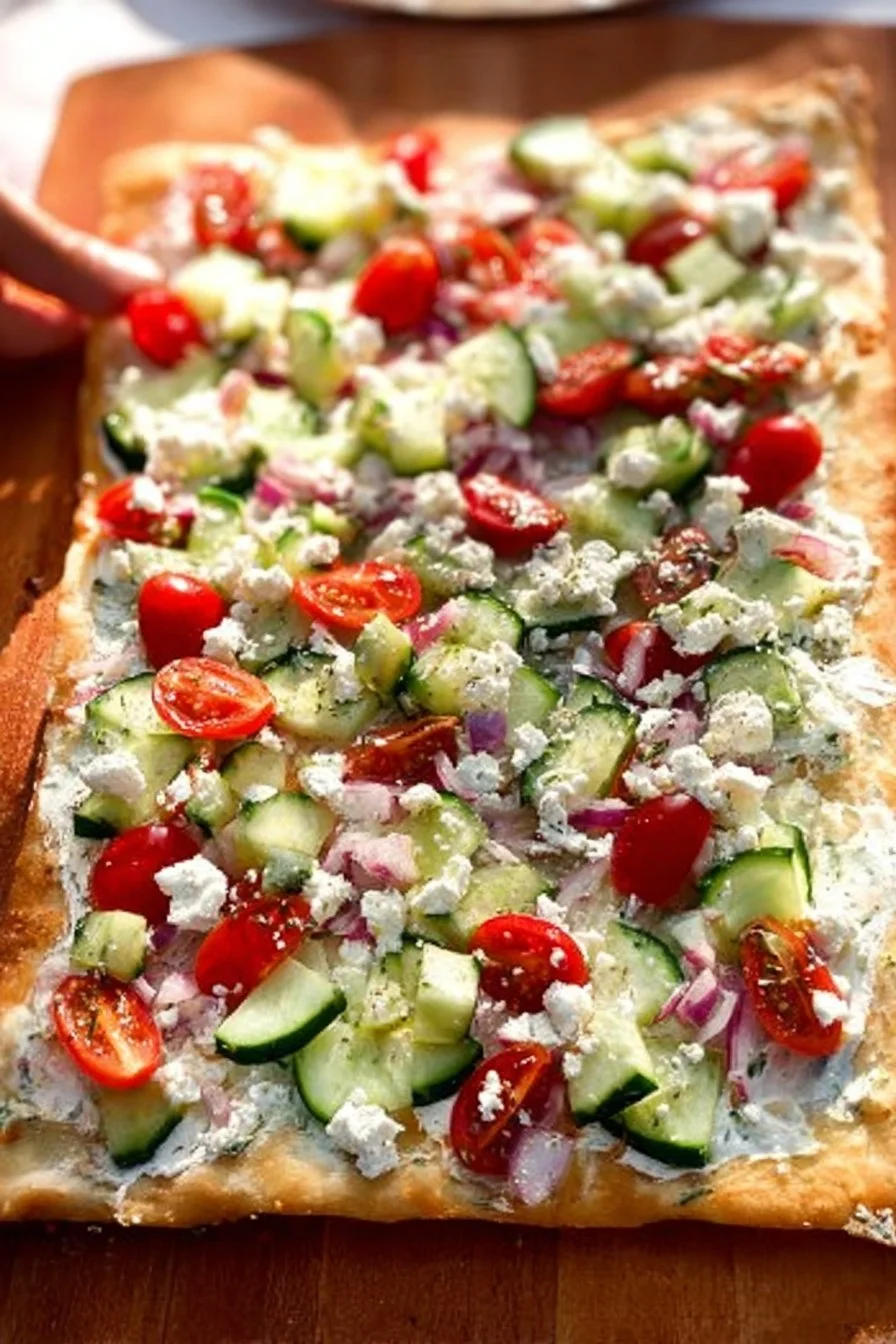
Are you aware that a simple Greek veggie pizza can pack a nutritional punch that rivals many traditional pizza options?
This dish brings together vibrant vegetables, aromatic herbs, and a golden crust to create a healthy yet delicious meal option. With the ever-growing interest in plant-based diets and Mediterranean cuisine, it’s worth asking: how can you indulge in pizza while keeping it nutritious and satisfying? Simple Greek veggie pizza is not only a delightful twist on a classic favorite but also offers a healthier alternative to regular pizzas. Let’s dive into this recipe, explore its components, and discover how to make it irresistible.
Ingredients List
-
Pizza Dough: Choose a store-bought whole wheat or homemade dough for an added fiber boost. Whole wheat provides a nuttier flavor and is denser than traditional white flour dough.
-
Olive Oil: A staple in Mediterranean cooking, extra virgin olive oil adds richness and healthy fats. Its robust flavor enhances the pizza’s overall taste while providing anti-inflammatory properties.
-
Tomato Sauce: Opt for a rustic tomato sauce made from canned San Marzano tomatoes for their sweetness and low acidity. This rich base provides essential vitamins like vitamin C and potassium.
-
Feta Cheese: This crumbly and tangy cheese adds depth to your pizza. Feta is lower in calories than many other cheeses and has probiotics that benefit gut health.
-
Kalamata Olives: These briny, dark olives contribute a burst of flavor and are high in antioxidants. They complement the sweetness of tomatoes.
-
Bell Peppers: Use a variety of colors for a visual appeal and a sweet flavor profile. Bell peppers are rich in vitamins A and C and contain numerous antioxidants.
-
Red Onion: Thinly sliced red onions provide a mild, sweet crunch. They contain quercetin, an antioxidant that has anti-inflammatory benefits.
-
Spinach: Fresh spinach offers a delicate texture and is packed with iron, calcium, and vitamins A and K. It adds a nutrient-dense layer to the pizza.
-
Oregano and Basil: Fresh or dried, these herbs enhance the aromatic profile of the pizza. Oregano has antibacterial properties, while basil can help with digestion.
-
Black Pepper: A sprinkle of freshly cracked black pepper elevates the flavor, contributing to its pungency and potential health benefits, including improved digestion.
Timing
- Preparation Time: 20 minutes
- Cooking Time: 15-20 minutes
- Total Time: 35-40 minutes
In the time it takes to order delivery, you can create your own fresh and healthy version right at home!
Step-by-Step Instructions
Step 1: Prepare the Dough
Begin by preheating your oven to 475°F (245°C). If using store-bought dough, let it sit at room temperature for about 15 minutes to make it easier to work with.
Step 2: Roll Out the Dough
On a lightly floured surface, roll out the dough into your preferred shape—round or rectangular. Aim for a thickness of about 1/4 inch. This ensures a slightly crispy crust.
Step 3: Add Olive Oil
Brush a thin layer of olive oil over the dough’s surface. This will help create a golden crust and add flavor.
Step 4: Spread the Tomato Sauce
Evenly spread the tomato sauce over the pizza, leaving a small border for the crust. Use the back of a spoon for an even application.
Step 5: Layer the Vegetables
Start with the spinach, followed by the sliced red onions, bell peppers, Kalamata olives, and then crumble the feta cheese over the top.
Step 6: Season to Taste
Sprinkle fresh oregano and basil atop the pizza, along with a dash of black pepper.
Step 7: Bake
Carefully transfer your pizza to the preheated oven and bake for 15-20 minutes, or until the crust is golden brown and the cheese is slightly melted.
Step 8: Serve
Once baked to perfection, take the pizza out of the oven, let it cool for a few minutes, slice, and serve hot.
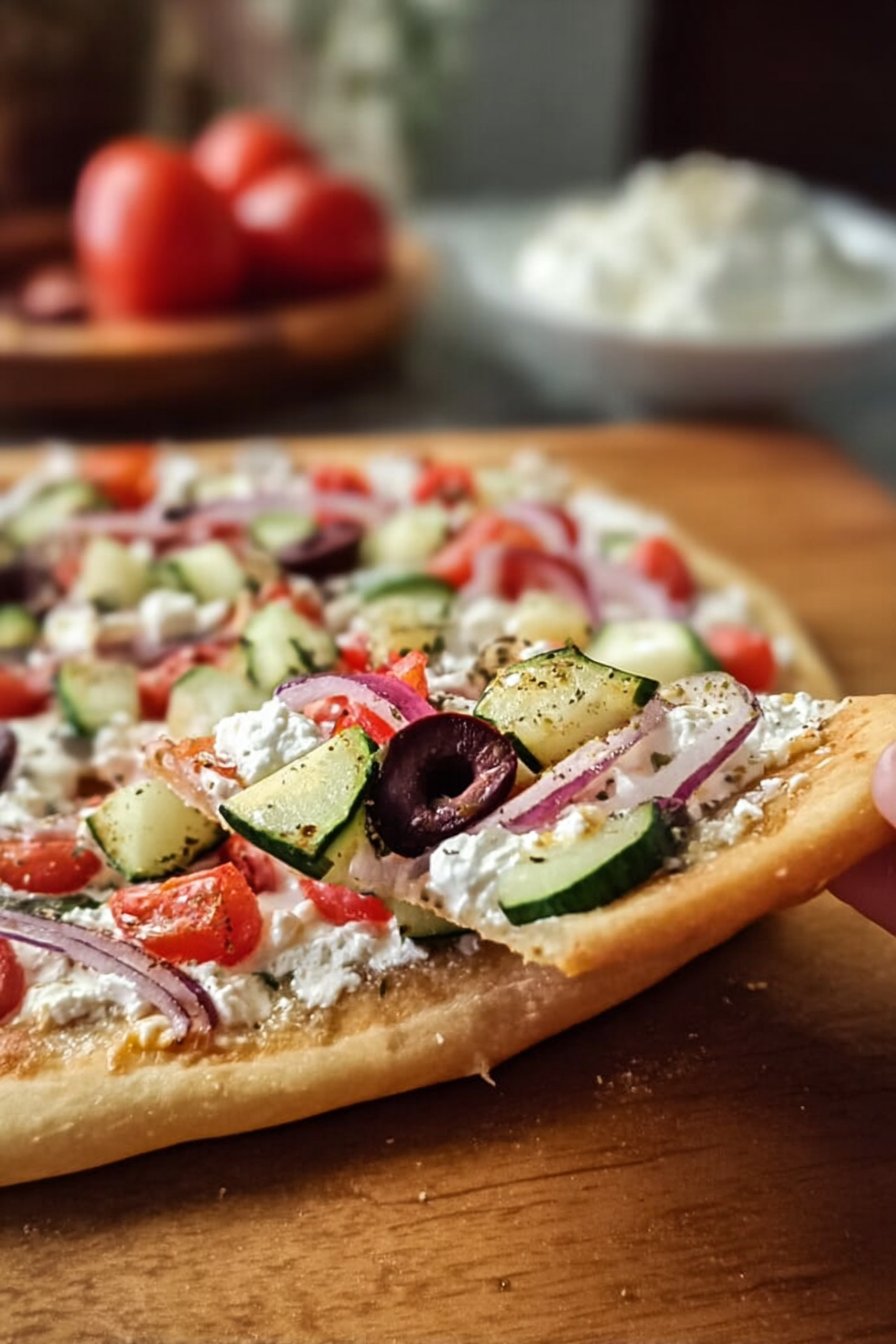
Nutritional Value / Health Benefits
-
Fiber: Essential for digestion and can help maintain a healthy weight. Whole wheat dough increases the fiber content significantly.
-
Protein: Feta cheese adds a decent amount of protein per serving, crucial for muscle repair and growth.
-
Healthy Fats: Olive oil contains monounsaturated fats that promote heart health and help absorb fat-soluble vitamins.
-
Vitamins A and C: Both are abundant in bell peppers and spinach, boosting your immune system and enhancing skin health.
-
Antioxidants: Ingredients like Kalama olives, tomatoes, and bell peppers are rich in antioxidants which support overall health by combating oxidative stress.
Healthier Alternatives
-
Dough Substitute: Use cauliflower pizza crust for a low-carb variation. While this may alter the texture, it increases vegetable intake and lowers carbohydrates.
-
Vegan Cheese: Replace feta with cashew-based cheese or nutritional yeast for a dairy-free option. This will slightly change the flavor but adds a creamy texture.
-
Reduced-Fat Cheese: Opt for low-fat feta or mozzarella to cut down on calories and saturated fat. This alternative could change the creaminess but still retains flavor.
-
Additional Vegetables: Feel free to load the pizza with other veggies like zucchini or artichokes for more nutrients without adding calories.
Serving Suggestions
-
Garnish: Top with fresh arugula or microgreens for an extra layer of flavor and nutrition.
-
Pairing: Serve with a side salad dressed in a light vinaigrette for a balanced meal.
-
For the Heat Lovers: Consider adding red pepper flakes or drizzle hot honey for a sweet and spicy finish.
-
Dipping Sauces: Offer hummus or tzatziki as a delightful dip for extra flavor.
Common Mistakes to Avoid
-
Overcrowding the Pizza: Adding too many toppings can make the pizza soggy. Keep toppings to a balanced minimum, allowing for a proper bake.
-
Baking at a Low Temperature: A high oven temperature is crucial for achieving a crisp crust. Avoid the temptation to lower it; this is key for that pizzeria-quality result.
-
Forgetting to Preheat the Oven: Skipping preheating can lead to uneven baking and a less-than-ideal crust. Always preheat for the best results.
-
Not Letting Dough Rest: Avoid rolling out dough that’s too cold; letting it rest allows gluten to relax, making it easier to stretch.
Storing Tips
-
Refrigerator: Store any leftover pizza in an airtight container in the fridge for up to 3 days.
-
Freezer: To preserve freshness longer, wrap slices in plastic wrap and place in a freezer bag for up to 2 months. This helps maintain flavor and texture.
-
Reheating: Reheat in a hot oven or on a skillet to retain crispiness. Avoid microwaving, as this can make the crust chewy.
Conclusion
Simple Greek veggie pizza is a delightful blend of flavors wrapped in a healthy package. It’s easy to make, packed with nutrients, and customizable to fit various dietary needs. Try the recipe, and don’t forget to share your experience, leave a review, or subscribe for more delightful recipes.
FAQs
- A: Q: Can I make this pizza gluten-free?
- A: Absolutely, use a gluten-free pizza crust option, and keep the toppings the same for a tasty gluten-free version.
- B: Q: How can I make this recipe vegan?
- A: Swap the feta cheese for a plant-based alternative or nutritional yeast, and ensure your pizza dough is dairy-free.
- C: Q: What’s the best way to enjoy leftovers?
- A: Reheat in the oven with a sprinkle of water to create steam, maintaining moisture and preventing the crust from getting too hard.

Simple Greek Veggie Pizza
- Total Time: 40 minutes
- Yield: 4 servings 1x
- Diet: Vegetarian
Description
A delightful twist on a classic favorite, this Greek veggie pizza combines vibrant vegetables and aromatic herbs with a healthy whole wheat crust for a delicious meal.
Ingredients
- Whole wheat pizza dough
- 2 tablespoons extra virgin olive oil
- 1 cup rustic tomato sauce made from canned San Marzano tomatoes
- 1 cup crumbled feta cheese
- 1/2 cup Kalamata olives, pitted and sliced
- 1 cup bell peppers, sliced (mixed colors)
- 1/2 cup thinly sliced red onion
- 2 cups fresh spinach
- 1 tablespoon fresh oregano or 1 teaspoon dried oregano
- 1 tablespoon fresh basil or 1 teaspoon dried basil
- Freshly cracked black pepper to taste
Instructions
- Preheat your oven to 475°F (245°C). Let store-bought dough sit at room temperature for 15 minutes.
- Roll out the dough on a lightly floured surface to about 1/4 inch thick.
- Brush a thin layer of olive oil over the dough’s surface.
- Evenly spread the tomato sauce over the pizza, leaving a small border for the crust.
- Layer the pizza with spinach, followed by red onions, bell peppers, Kalamata olives, and crumbled feta cheese.
- Sprinkle fresh oregano, basil, and black pepper on top.
- Bake for 15-20 minutes until the crust is golden brown and cheese is slightly melted.
- Let cool for a few minutes, slice, and serve hot.
Notes
For a low-carb version, substitute the dough with cauliflower crust. Add additional vegetables as desired.
- Prep Time: 20 minutes
- Cook Time: 20 minutes
- Category: Main Course
- Method: Baking
- Cuisine: Mediterranean
Nutrition
- Serving Size: 1 slice
- Calories: 320
- Sugar: 4g
- Sodium: 450mg
- Fat: 14g
- Saturated Fat: 5g
- Unsaturated Fat: 7g
- Trans Fat: 0g
- Carbohydrates: 36g
- Fiber: 5g
- Protein: 12g
- Cholesterol: 25mg
Keywords: Greek pizza, veggie pizza, Mediterranean cuisine