
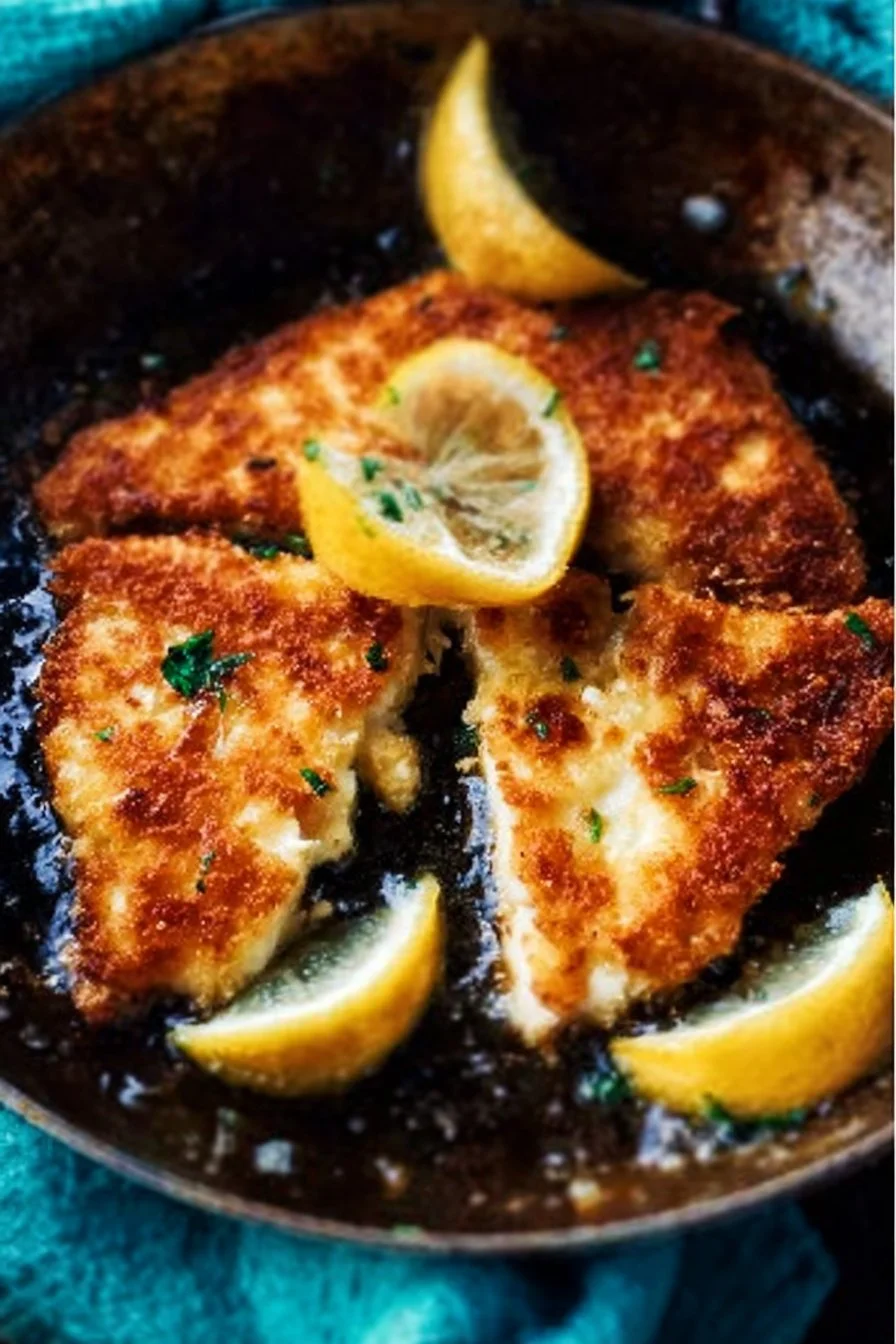
What Makes Saganaki a Must-Try Dish for Cheese Lovers?
When you think of both savory cheese dishes and enticing appetizers, how often do you consider Saganaki? This iconic Greek delicacy has been capturing the hearts of food enthusiasts for generations. Did you know that Saganaki is not just a dish but a preparation technique? The traditional method of frying cheese can significantly enhance flavors and textures, creating an irresistible experience. So, if you haven’t yet tried Saganaki, what’s stopping you? Are you overlooking one of the simplest yet most delicious ways to elevate your cheese game in 2023?
Ingredients List
-
Kasseri Cheese: A semi-hard, flavorful cheese that melts beautifully and is slightly tangy. This cheese creates the perfect balance of texture when fried.
-
Flour: Plain all-purpose flour helps to create a crisp coating on the cheese. For a gluten-free option, almond flour or rice flour can be used to achieve a similar effect.
-
Olive Oil: Extra virgin olive oil not only enhances the flavor but also contributes to a perfectly crisp texture. Using high-quality olive oil can elevate the overall taste of the dish.
-
Lemon Wedges: These add a refreshing citrus note that cuts through the richness of the cheese, enhancing the overall flavor profile.
-
Oregano: Dried Greek oregano provides a lovely aroma and a herby flavor, adding depth to the dish. You could substitute it with Italian seasoning if necessary.
-
Salt and Pepper: Essential seasonings that bring out the flavors of all ingredients. Always use fresh ground pepper for optimal taste.
Timing
- Preparation Time: 10 minutes
- Cooking Time: 5 minutes
- Total Time: 15 minutes
This dish is remarkably quick to prepare, making it an excellent option for last-minute entertaining or a cozy night in.
Step-by-Step Instructions
Step 1: Gather Your Ingredients
Before you start cooking, ensure you have all your ingredients prepped and ready. This makes the cooking process smoother and more enjoyable.
Step 2: Prepare the Cheese
Slice the Kasseri cheese into thick pieces, approximately 1/2 inch thick. Thicker slices will hold their shape better when frying.
Step 3: Dredge in Flour
On a plate, spread out a thin layer of flour. Dredge each slice of cheese in flour until fully coated. Shake off any excess flour; this will help achieve that golden, crispy exterior.
Step 4: Heat the Oil
In a non-stick frying pan, heat 1/4 inch of olive oil over medium heat. You should see gentle bubbles when the oil is hot enough. If the oil is smoking, it’s too hot.
Step 5: Fry the Cheese
Carefully place the floured cheese slices into the hot oil. Fry for about 2-3 minutes on each side or until golden brown. The cheese should start to ooze slightly but remain intact.
Step 6: Drain Excess Oil
Once beautifully browned, transfer the fried cheese to a plate lined with paper towels to absorb any excess oil.
Step 7: Serve Immediately
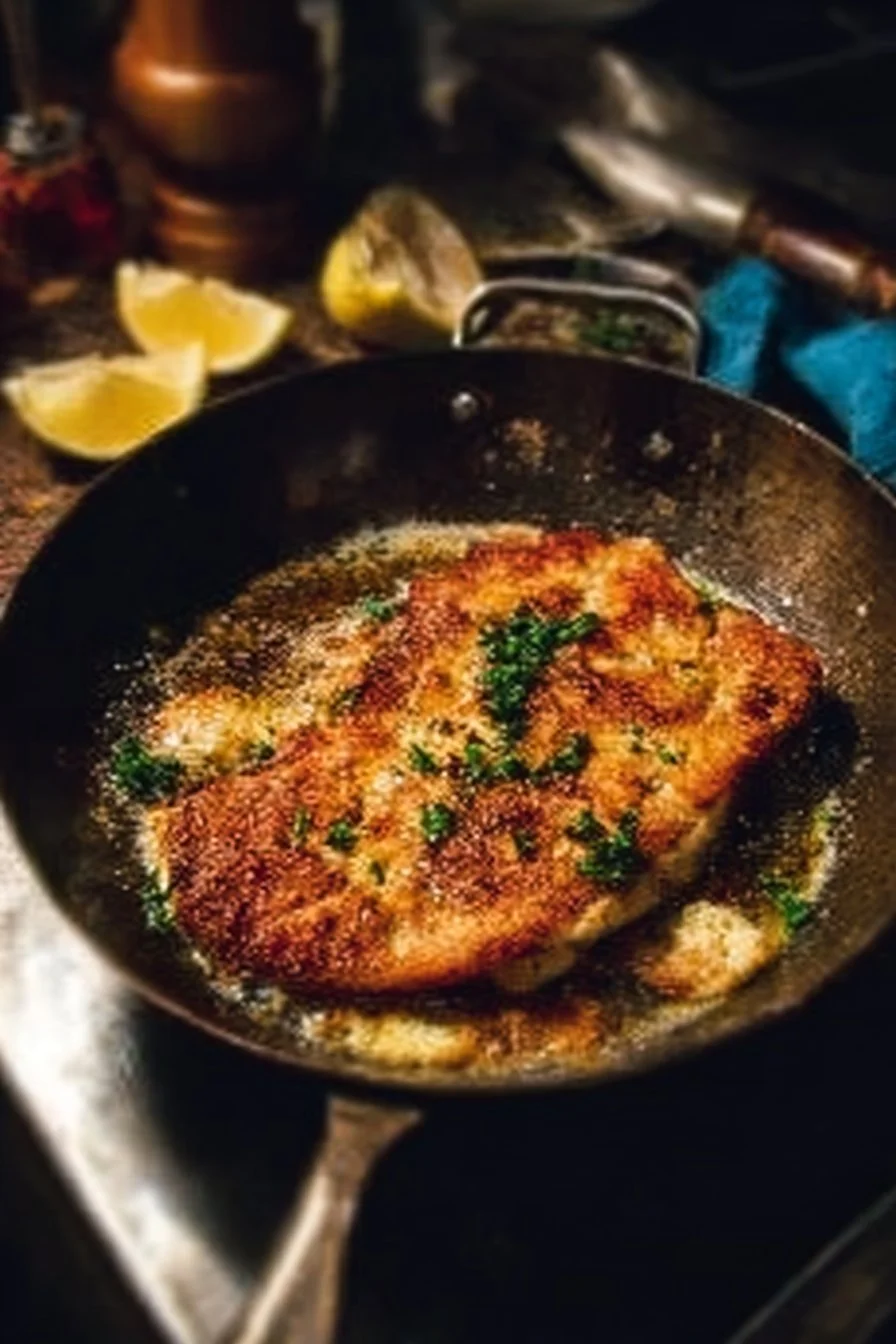
Sprinkle with a pinch of salt and some dried oregano. Serve hot with fresh lemon wedges on the side for a perfect finish.
Nutritional Value / Health Benefits
-
Calories: Approximately 300 per serving. A filling snack that can keep hunger at bay.
-
Protein: About 15g per serving, essential for muscle repair and immune function.
-
Calcium: A great source for bone health, providing around 20% of the recommended daily intake.
-
Healthy Fats: The olive oil imparts healthy monounsaturated fats that can support heart health.
-
Vitamin C: Lemons add a boost of Vitamin C, essential for skin health and immune support.
Healthier Alternatives
-
Low-Fat Cheese: If you’re mindful of calories, opt for low-fat Kasseri or another type of low-fat cheese. While the flavor may be less intense, it still offers a delightful experience.
-
Coconut Oil: Substitute olive oil with coconut oil for a different flavor profile that adds a hint of sweetness. It also provides distinct health benefits, including medium-chain triglycerides that can boost metabolism.
-
Baking Instead of Frying: For a lighter version, consider baking the cheese at 400°F for about 10-12 minutes until golden. The texture will be different but still delicious.
Serving Suggestions
-
Serve with a side of tzatziki for a creamy, herbal contrast to the rich fried cheese.
-
Pair with grilled vegetables like bell peppers and zucchini for a heartier meal.
-
Serve as part of a meze platter alongside olives, fresh bread, and a variety of dips to create a festive atmosphere.
-
Drizzle with honey after frying for a sweet-savory twist that complements the cheese.
Common Mistakes to Avoid
-
Overcrowding the Pan: Frying too many pieces at once can lower the oil temperature, leading to soggy cheese. Fry in batches to ensure optimal crispiness.
-
Using Cold Cheese: Cold cheese doesn’t fry well. Allow your cheese to come to room temperature for even cooking and better melting.
-
Not Draining Properly: Failing to drain excess oil can create a greasy dish. Use paper towels to remove oil immediately after frying.
Storing Tips
-
Refrigeration: Store any leftover Saganaki in an airtight container in the refrigerator for up to two days. The texture will change, but you can reheat it gently in a frying pan.
-
Freezing: While it’s not recommended to freeze Saganaki after frying, you can freeze the un-fried, floured cheese. When ready to cook, skip thawing and fry directly from frozen, adjusting cooking time.
-
Reheating: When reheating, do so in a non-stick pan to regain some of the original crispness.
Conclusion
Saganaki is a delightful cheese experience that’s quick to prepare and full of flavor. With a few key ingredients and simple steps, you can impress your guests or indulge for yourself. Give this recipe a try, and don’t forget to leave a review or comment below.
FAQs
- A: Q: Can I use a different type of cheese for Saganaki?
- A: Yes, cheeses like Halloumi or Feta can also be used, but they will yield different textures and flavors. Halloumi will provide a unique chewy texture, while Feta will be creamier.
- B: Q: Is Saganaki a healthy dish?
- A: While Saganaki is high in calories and fat, the nutritional benefits from cheese and olive oil can be part of a balanced diet. Moderation is key to enjoy this dish healthily.
- C: Q: How do I know when the oil is hot enough for frying?
- A: You can test the oil by dropping a small piece of cheese or a pinch of flour into it. If it sizzles immediately, the oil is ready for frying.

Saganaki
- Total Time: 15 minutes
- Yield: 2 servings 1x
- Diet: Vegetarian
Description
Saganaki is a traditional Greek dish featuring crispy fried cheese, perfect as a savory appetizer.
Ingredients
- 8 oz Kasseri cheese, sliced 1/2 inch thick
- 1/2 cup all-purpose flour (or almond/rice flour for gluten-free)
- 1/4 cup extra virgin olive oil
- Fresh lemon wedges
- 1 tsp dried Greek oregano
- Salt and freshly ground pepper, to taste
Instructions
- Gather your ingredients and prep them for cooking.
- Slice the Kasseri cheese into thick pieces.
- Dredge each slice in flour until fully coated.
- In a frying pan, heat olive oil over medium heat.
- Fry the cheese slices for 2-3 minutes on each side until golden brown.
- Drain excess oil by transferring the fried cheese to a paper towel-lined plate.
- Serve immediately with lemon wedges and a sprinkle of oregano.
Notes
For a lighter version, consider baking the cheese instead of frying. Serve with tzatziki and grilled vegetables for a complete meal.
- Prep Time: 10 minutes
- Cook Time: 5 minutes
- Category: Appetizer
- Method: Frying
- Cuisine: Greek
Nutrition
- Serving Size: 1 serving
- Calories: 300
- Sugar: 1g
- Sodium: 500mg
- Fat: 23g
- Saturated Fat: 11g
- Unsaturated Fat: 8g
- Trans Fat: 0g
- Carbohydrates: 20g
- Fiber: 1g
- Protein: 15g
- Cholesterol: 30mg
Keywords: Saganaki, fried cheese, Greek appetizer, Kasseri cheese, quick recipe