
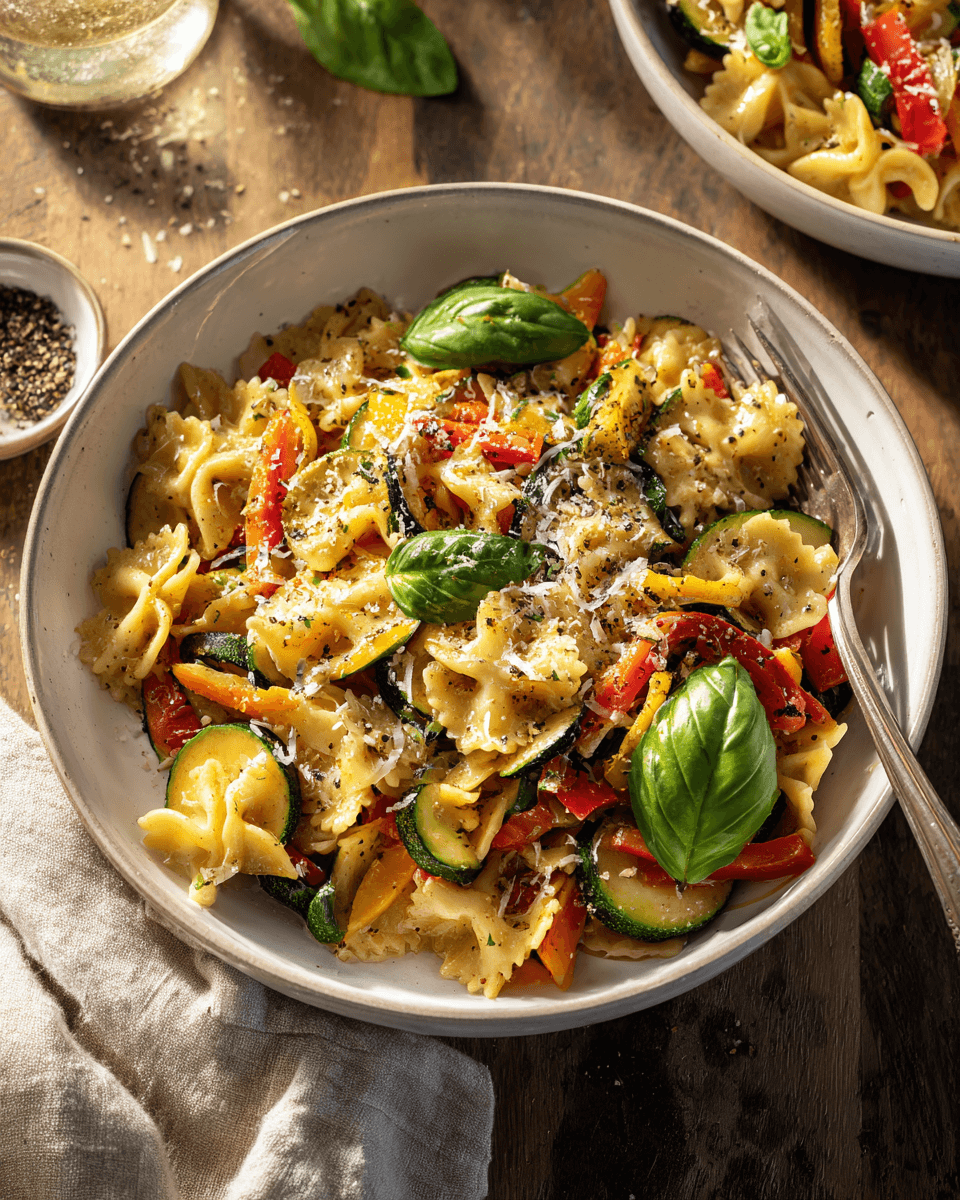
There’s something magical about tossing fresh, colorful veggies with pasta and calling it dinner. Pasta primavera is one of those dishes that never goes out of style—it feels light yet comforting, healthy yet totally satisfying. I still remember the first time I made it in the spring, using whatever vegetables I had on hand, and it instantly became one of my go-to weeknight meals. It’s the kind of recipe that makes you feel like you’re eating straight from the garden.
The beauty of this dish is how flexible it is—you don’t need a strict list of ingredients. You can swap in whatever’s in season or whatever you find at the market. Want more inspiration for cooking with seasonal produce? Check out this helpful guide to seasonal vegetables so you can make your pasta primavera truly shine with the freshest flavors.
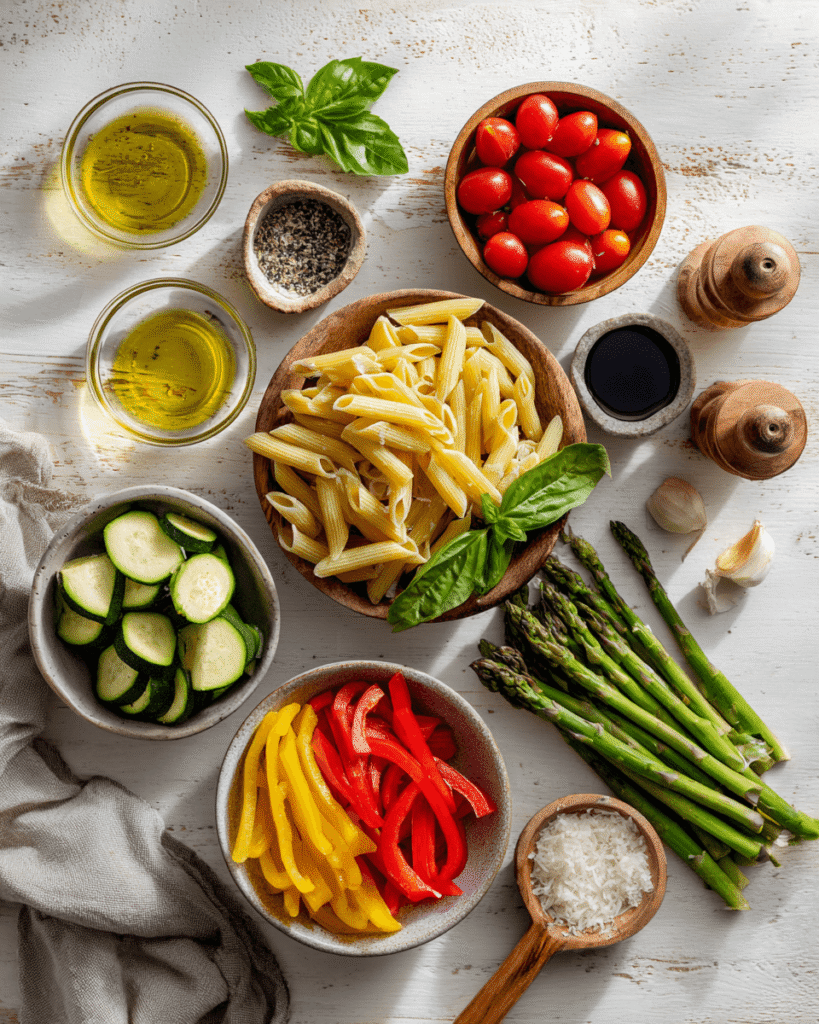
Ingredients You’ll Need
One of the best parts about pasta primavera is its flexibility—you can swap veggies in and out depending on what’s in season or what you already have at home. Here’s a solid starting point to make a fresh and flavorful dish:
- Pasta (12 oz, spaghetti or fettuccine) – Long noodles work beautifully here, but you can use penne or rotini if that’s what’s in your pantry.
- Olive oil (3 tablespoons) – A good-quality olive oil adds richness and helps the veggies shine.
- Garlic (3 cloves, minced) – Fresh garlic gives the sauce its bold, aromatic base.
- Onion (1 small, thinly sliced) – Sweet or yellow onions work best for a mellow flavor.
- Carrots (2 medium, julienned) – Their slight sweetness balances the savory sauce.
- Zucchini (1 medium, julienned) – Adds a tender bite and soaks up the flavors of the garlic and olive oil.
- Yellow squash (1 medium, julienned) – Similar to zucchini, it adds color and texture.
- Bell peppers (2, any color, sliced thin) – Red, yellow, or orange peppers add brightness and a slight sweetness.
- Cherry tomatoes (1 cup, halved) – They burst open and create a light, fresh sauce.
- Broccoli florets (1 ½ cups) – Adds crunch and a pop of green.
- Asparagus (1 bunch, cut into 2-inch pieces) – A springtime classic that gives the dish a fresh, crisp flavor.
- Parmesan cheese (1 cup, freshly grated) – For creaminess and that irresistible umami kick.
- Lemon juice (2 tablespoons, fresh) – Brightens up the whole dish and keeps it from feeling too heavy.
- Fresh herbs (like basil or parsley, chopped) – A final sprinkle of freshness before serving.
- Salt & pepper (to taste) – Essential for layering flavors as you cook.
Step-by-Step Instructions
Making pasta primavera is all about building layers of flavor while keeping the vegetables crisp and vibrant. Here’s how to bring it all together:
Step 1: Cook the pasta
Bring a large pot of salted water to a boil. Cook the pasta until al dente (it should still have a slight bite). Reserve about 1 cup of the pasta water before draining—this starchy water is key for creating a silky sauce later.
Step 2: Sauté the aromatics
In a large skillet or sauté pan, heat the olive oil over medium heat. Add the sliced onion and cook until softened and slightly golden, about 4 minutes. Stir in the garlic and cook for 30 seconds, just until fragrant.
Step 3: Cook the hearty veggies
Add the carrots, bell peppers, and broccoli florets. Sauté for 4–5 minutes, stirring often, until they start to soften but still have some crunch.
Step 4: Add the tender veggies
Next, toss in the zucchini, yellow squash, asparagus, and cherry tomatoes. Cook for another 3–4 minutes until the vegetables are tender-crisp and the tomatoes begin to burst, releasing their juices into the pan.
Step 5: Build the sauce
Season the veggies with salt and pepper. Add a splash of reserved pasta water and a drizzle of olive oil, tossing everything together to create a light, glossy sauce. Squeeze in the fresh lemon juice for brightness.
Step 6: Combine pasta and veggies
Add the drained pasta to the skillet with the vegetables. Toss well so the noodles are coated in the sauce and mixed evenly with the colorful veggies.
Step 7: Finish with cheese and herbs
Sprinkle in the freshly grated Parmesan and toss until slightly melted and creamy. Just before serving, add a generous handful of fresh basil or parsley.
Step 8: Serve hot
Twirl into bowls, top with extra Parmesan, and enjoy right away while it’s fresh and vibrant.
Tips & Variations
One of the reasons pasta primavera is such a beloved dish is its flexibility. You can adapt it to the season, your pantry, or your mood. Here are some ideas to keep it fresh every time you make it:
Ingredient Swaps
- Pasta: Long noodles like spaghetti and linguine are traditional, but penne or fusilli are great for catching bits of veggies in every bite.
- Vegetables: Don’t stress if you’re missing one or two. Swap asparagus for green beans, zucchini for eggplant, or cherry tomatoes for sun-dried tomatoes.
- Cheese: Parmesan is classic, but Pecorino Romano adds a sharper bite. For a creamier sauce, stir in a spoonful of ricotta or mascarpone.
Flavor Boosts
- Add a pinch of red pepper flakes for a subtle heat.
- Stir in a splash of white wine while cooking the veggies for extra depth.
- Toss in a few capers or olives for a briny kick that balances the sweetness of the vegetables.
Protein Options
- For a heartier version, add grilled chicken, sautéed shrimp, or even chickpeas for a vegetarian protein boost.
- A poached egg on top makes it extra luxurious and perfect for brunch.
Make-Ahead & Storage
- Prep ahead: Chop veggies in advance and store them in the fridge to cut down on cooking time.
- Fridge: Leftovers will keep in an airtight container for up to 3 days. Reheat gently on the stove with a splash of broth or water.
- Freezer: Not recommended, since the fresh vegetables lose their texture once thawed.
Frequently Asked Questions
1. Can I make pasta primavera ahead of time?
Yes! You can prep all the vegetables in advance and store them in the fridge for up to 2 days. When you’re ready, just cook the pasta and sauté the veggies. The dish tastes best freshly made, but prepping ahead saves time.
2. Can I use frozen vegetables instead of fresh?
You can, though the texture won’t be quite as crisp. If using frozen, add them directly to the skillet without thawing. Keep the cooking time short to avoid mushy veggies.
3. How can I make this gluten-free?
Simply swap the pasta for your favorite gluten-free variety. Brown rice pasta, chickpea pasta, or lentil pasta all work well and hold up nicely with the sauce.
4. What protein can I add to pasta primavera?
Grilled chicken, sautéed shrimp, or even crispy tofu are great additions. Chickpeas or white beans also add a nice protein boost while keeping the dish vegetarian.
5. Can I make pasta primavera vegan?
Yes! Just skip the Parmesan or replace it with nutritional yeast for a cheesy flavor. You can also use a dairy-free Parmesan substitute if you prefer.
6. How should I store and reheat leftovers?
Store leftovers in an airtight container in the fridge for up to 3 days. Reheat gently on the stovetop with a splash of water, broth, or olive oil to keep the pasta from drying out.
Final Thoughts
Classic pasta primavera is one of those recipes that feels timeless—it’s colorful, fresh, and endlessly adaptable. Whether you follow the recipe exactly or use whatever vegetables are hanging out in your fridge, it always turns into a dish that’s vibrant, healthy, and satisfying.
What I love most is how approachable it is. No fancy techniques, no hard-to-find ingredients—just simple, wholesome food that celebrates the best of each season. Next time you’re craving a lighter pasta night, give this one a try. And if you’re looking for even more fresh, veggie-packed inspiration, you might enjoy browsing these healthy pasta recipes for your weekly meal plan.
So grab your favorite pasta, toss in those veggies, and make yourself a bowl of primavera magic. You’ve got this!
Print
Classic Pasta Primavera Recipe You’ll Make Again and Again
- Total Time: 35 minutes
- Yield: 4 servings 1x
Description
This classic pasta primavera recipe is fresh, colorful, and bursting with seasonal vegetables. A light yet satisfying dinner, perfect for spring, summer, or anytime you’re craving a vibrant pasta dish.
Ingredients
-
3 tablespoons olive oil
-
3 cloves garlic, minced
-
1 small onion, thinly sliced
-
2 medium carrots, julienned
-
1 medium zucchini, julienned
-
1 medium yellow squash, julienned
-
2 bell peppers (any color), thinly sliced
-
1 cup cherry tomatoes, halved
-
1 ½ cups broccoli florets
-
1 bunch asparagus, cut into 2-inch pieces
-
1 cup Parmesan cheese, freshly grated
-
2 tablespoons fresh lemon juice
-
Fresh basil or parsley, chopped (for garnish)
-
Salt and pepper, to taste
12 oz pasta (spaghetti, fettuccine, or penne)
Instructions
-
Cook pasta in salted boiling water until al dente. Reserve 1 cup pasta water, then drain and set aside.
-
Sauté aromatics: In a large skillet, heat olive oil. Cook onion until softened, then add garlic for 30 seconds.
-
Cook hearty veggies: Add carrots, bell peppers, and broccoli. Sauté 4–5 minutes until slightly softened.
-
Add tender veggies: Stir in zucchini, squash, asparagus, and cherry tomatoes. Cook 3–4 minutes until tender-crisp.
-
Build the sauce: Season with salt, pepper, and lemon juice. Add a splash of pasta water and drizzle of olive oil for a glossy sauce.
-
Toss pasta with veggies: Return pasta to the skillet and toss until coated.
-
Finish & serve: Sprinkle with Parmesan and fresh herbs. Serve hot with extra cheese on top.
Notes
-
Use any vegetables you have—this recipe is super flexible.
-
Add protein: grilled chicken, shrimp, or chickpeas work beautifully.
-
For a creamier sauce, stir in a spoonful of ricotta or mascarpone.
-
Store leftovers in the fridge up to 3 days. Reheat gently with a splash of broth or olive oil.
- Prep Time: 15 minutes
- Cook Time: 20 minutes
- Category: Dinner / Pasta
- Method: Stovetop
- Cuisine: Italian-American
Nutrition
- Serving Size: 1 portion
- Calories: 420kcl
- Sugar: 8 g
- Sodium: 430 mg
- Fat: 15 g
- Saturated Fat: 5 g
- Unsaturated Fat: 9 g
- Trans Fat: 0g
- Carbohydrates: 58 g
- Fiber: 7 g
- Protein: 16 g
- Cholesterol: 20 mg
Keywords: pasta primavera, vegetable pasta recipe, healthy pasta dinner