
Why a Dutch Baby Belongs on Your Weekend Menu
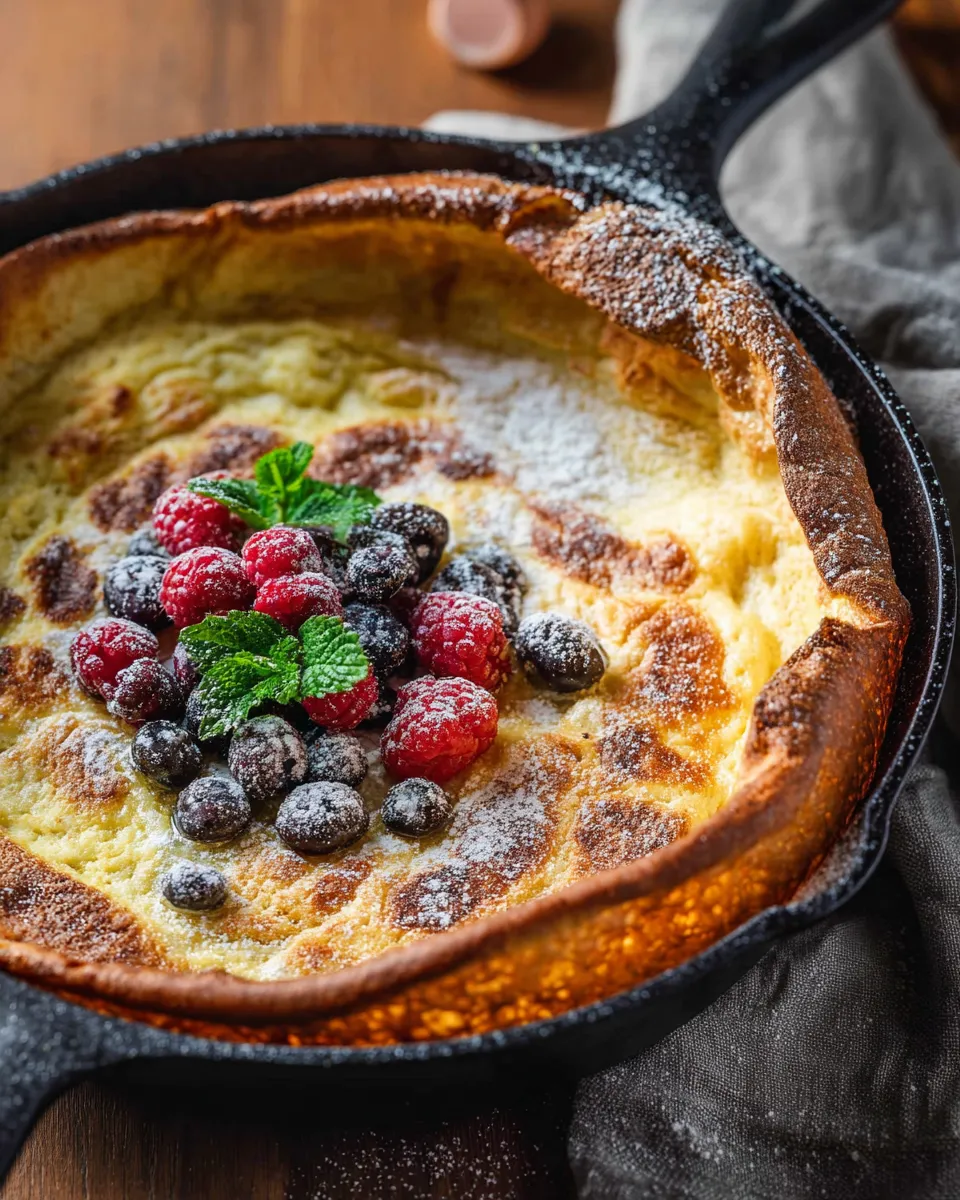
There’s something a little theatrical about sliding a skillet out of the oven to reveal a puffed, golden pancake that looks like it rose right out of a fairytale. I make this when friends come over or when I want a cozy, impressive breakfast without the fuss of flipping pancakes—just whisk, pour, bake, and watch the oven do the magic.
This Dutch baby is forgiving, fast, and endlessly customizable—sweet or savory—so it’s perfect for a lazy brunch, a simple dessert, or a midweek treat. Read on for a fail-proof method, clever swaps, and serving ideas that make it feel like a special occasion every time.
Ingredients
- 3 large eggs — room temperature helps the batter trap more air for a bigger rise.
- 3/4 cup (180 ml) whole milk — whole milk gives richness; swap with almond or oat milk for dairy-free.
- 3/4 cup (95 g) all-purpose flour — whisked smooth; use a 1:1 gluten-free flour blend if needed (see Tips).
- 1 tablespoon granulated sugar — just a touch for balance; omit for a savory version.
- 1/4 teaspoon fine sea salt — enhances flavor; don’t skip it.
- 1 teaspoon vanilla extract — optional but lovely in sweet versions; replace with 1/2 teaspoon lemon zest for a brighter flavor.
- 3 tablespoons unsalted butter — for the skillet; butter should melt and foam before adding batter.
- Powdered sugar and fresh lemon wedges — classic finishing touches that cut the richness.
- Optional toppings: fresh berries, sliced apples, maple syrup, thick Greek yogurt, or savory toppings like sautéed mushrooms and grated cheese.
Instructions
- Preheat oven and skillet: Put a 10-inch cast-iron skillet (or ovenproof 10–11″ skillet) in the oven and preheat to 425°F (220°C). Preheating the pan ensures a dramatic puff and crisp edges. Heat for at least 15 minutes until very hot.
- Make the batter: In a blender or a bowl, combine the eggs, milk, flour, sugar, salt, and vanilla. Blend or whisk vigorously until completely smooth and slightly frothy—no lumps. The batter should be pourable, like heavy cream. Let it rest 5–10 minutes for bubbles to settle (optional).
- Heat the butter: Carefully remove the hot skillet from the oven and add the butter. It will foam and smell nutty as it melts—tilt the pan so it coats the bottom and sides. The butter should shimmer and just begin to brown; about 30–45 seconds.
- Pour and bake: Pour the batter into the sizzling butter and immediately return the skillet to the oven. You should hear a gentle sizzle and see the edges begin to set within a minute.
- Bake until puffed and golden: Bake 18–22 minutes. Look for dramatic puffing and deep golden-brown edges; the center should be set but slightly jiggly (not wet). Avoid opening the oven during the first 12 minutes to keep heat steady.
- Finish and serve: Remove from oven—the pancake will deflate a bit as it cools, which is totally normal. Squeeze lemon over the top, dust with powdered sugar, add fruit or savory toppings, and serve immediately while it’s still warm and airy.
Tips & Variations
- For extra lift: Use room-temperature eggs and a well-preheated skillet. A quick blender blast adds air to the batter for a puffier finish.
- Gluten-free: Substitute a 1:1 gluten-free baking flour (with xanthan gum) and let the batter rest 10–15 minutes to hydrate the flour.
- Dairy-free: Swap milk for unsweetened almond or oat milk and use coconut oil or vegan butter in the skillet.
- Sweet variations: Stir 1/2 teaspoon cinnamon into the batter, fold in a handful of blueberries, or top with macerated peaches and mascarpone.
- Savory twist: Omit sugar and vanilla, add a pinch of pepper and 1/4 cup grated Parmesan to the batter. Top with sautéed greens, herbs, or smoked salmon.
- Make-ahead batter: You can make the batter up to 24 hours ahead and keep it in the fridge. Bring to room temperature and give it a quick whisk before baking.
- Storage & reheating: Best eaten the same day. Store leftovers in a sealed container in the fridge up to 2 days. Reheat in a 350°F (175°C) oven for 5–8 minutes to restore crisp edges; avoid microwaving if you want to keep some texture.
Serving Suggestions
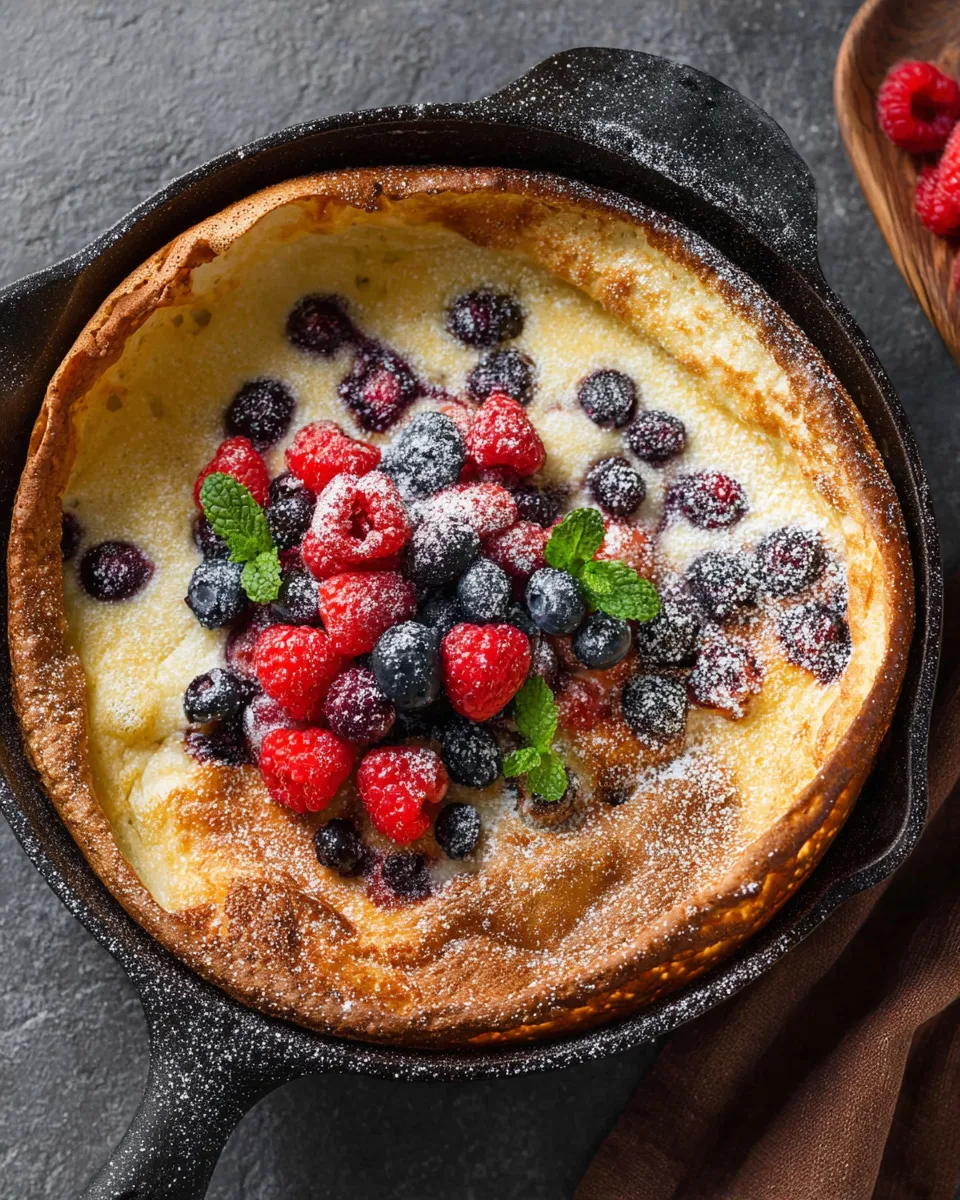
- Sweet brunch: Top with a dusting of powdered sugar, lemon wedges, and a handful of fresh berries. Add a side of maple-glazed bacon or a small green salad for balance.
- Savory meal: Turn it into dinner with roasted cherry tomatoes, arugula tossed in lemon vinaigrette, and shaved Parmesan on top.
- Presentation tips: Serve the skillet at the table for drama, or transfer to a large cutting board and slice into wedges. Dust powdered sugar through a fine sieve for an elegant finish.
- Make-it-a-meal: Add a protein (poached eggs, smoked salmon, or crispy sausage) and a crisp vegetable side like quick-pickled cucumbers or a fennel salad.
FAQs
Why did my Dutch baby deflate as soon as I took it out of the oven?
That dramatic deflation is perfectly normal. The puff is produced by hot steam expanding in the batter; once it cools and the steam escapes, the structure relaxes. To maximize puff: use room-temp eggs, a preheated skillet, and serve immediately.
Can I make the batter ahead of time?
Yes—batter can be made and refrigerated up to 24 hours. Give it a good whisk and bring it close to room temperature before baking. If it’s very thick after resting, thin with a tablespoon of milk at a time until pourable.
How should I reheat leftovers so they stay crisp?
The oven or toaster oven is best. Reheat at 350°F (175°C) for 5–8 minutes until warmed through and edges regain some crispness. Microwaving makes it rubbery and soggy, so avoid that when possible.
Can I make a gluten-free or dairy-free Dutch baby that still puffs?
Yes. Use a 1:1 gluten-free flour blend that contains xanthan gum and allow the batter to rest to hydrate the flour. For dairy-free, choose a richer plant milk (like oat) and use a high-smoke-point fat such as refined coconut oil or vegan butter to coat the skillet.
Why is my Dutch baby dense or flat instead of puffed?
Common causes include a skillet that wasn’t hot enough, very cold eggs/milk, or overmixing long after adding flour (which can deflate the batter). Preheat the pan thoroughly, use room-temperature ingredients, and blend just until smooth and aerated.
Can I make a savory Dutch baby for dinner?
Absolutely. Skip the sugar and vanilla, add herbs or grated cheese to the batter, and top with sautéed mushrooms, spinach, or smoked fish. It’s an easy, elegant dinner when paired with a simple salad.
Final Thoughts
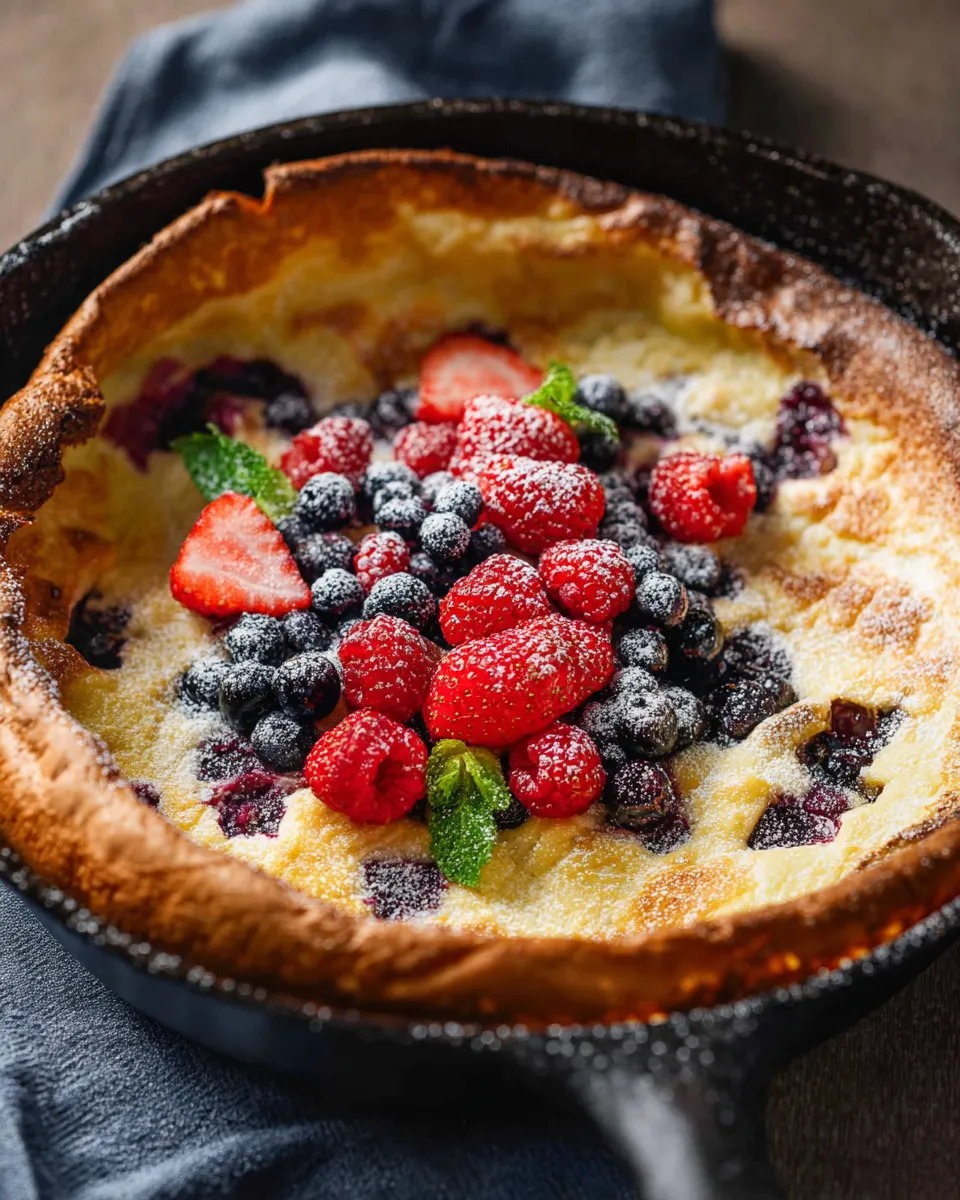
Whether you want a show-stopping brunch or a quick, comforting meal, the Dutch baby delivers—puffy edges, a tender center, and endless topping options. It’s simple enough for a weeknight but pretty enough for company.
Keep a hot skillet, a blender or whisk, and a lemon handy, and you’ll have a recipe that’s reliably impressive and deeply satisfying. Now preheat that oven and enjoy the delicious spectacle.
Print
Ultimate Dutch Baby Secrets Fluffy Easy Brunch Perfection
- Total Time: 37 minutes
- Yield: Serves 4 (one 10-inch skillet) 1x
Description
Dutch Baby recipe step tips for ultrafluffy results smart prep oven temp timing swaps brunch crowdpleaser in 30 mins pro tech tricks
Ingredients
Instructions
Notes
A dramatic, puffy skillet pancake that’s quick, forgiving, and endlessly customizable—perfect for brunch or a cozy weekend breakfast. Whisk, pour, bake, and serve with sweet or savory toppings.
- Prep Time: 15 minutes
- Cook Time: 22 minutes
- Category: Breakfast, Brunch
- Method: Baking
- Cuisine: American
Nutrition
- Serving Size: Serves 4 (one 10-inch skillet)
- Calories: 255 kcal
- Sugar: 4.6 g
- Fat: 13.8 g
- Carbohydrates: 23.5 g
- Fiber: 0.8 g
- Protein: 8.5 g
Keywords: Dutch Baby, skillet pancake, brunch, breakfast, oven pancake, puffy pancake, Dutch baby recipe