
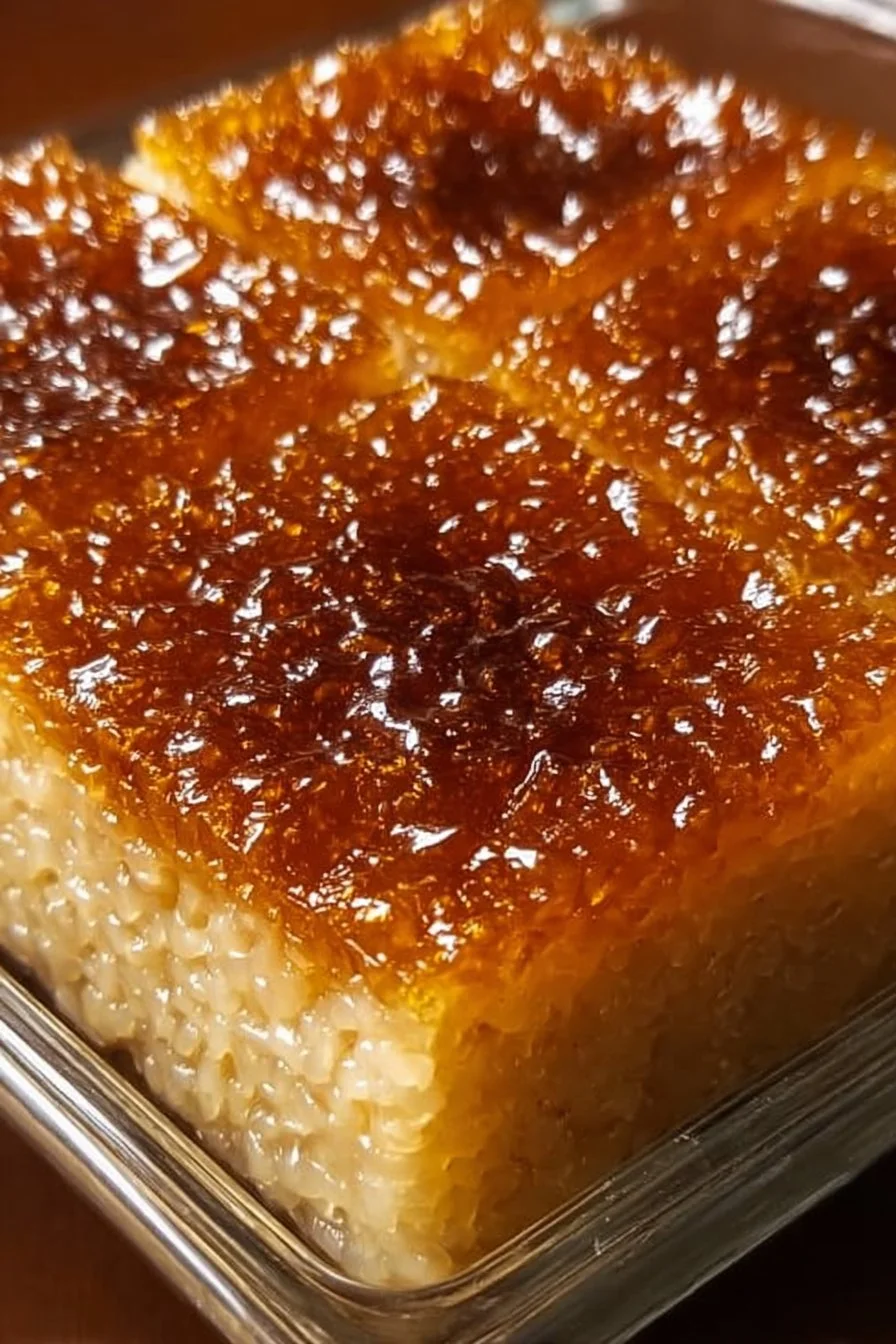
Filipino Sticky Rice Cake
Have you ever wondered how some traditional recipes seem to capture the essence of a culture perfectly? Filipino sticky rice cake, known locally as “kakanin,” is one such dish that embodies the flavors and history of the Philippines. This beloved dessert isn’t just a treat; it represents communal gatherings, special occasions, and the heartfelt hospitality Filipino families are known for. But why is it that many people believe making this delicacy at home is an impossible task? Let’s debunk those myths and delve into the features of this delightful treat.
Ingredients List
- Glutinous Rice: The star of the dish, glutinous rice gives your sticky rice cake its signature chewy texture. Look for high-quality, short-grain glutinous rice for the best results. You can also use regular rice in a pinch, though the outcome will differ.
- Coconut Milk: Fresh or canned, coconut milk adds a rich, creamy flavor and moisture to the cake. If you’re aiming for a lighter version, consider using light coconut milk, though it may slightly alter the taste.
- Sugar: Granulated sugar is the most common choice, providing essential sweetness. Alternatively, you can use coconut sugar for a more complex flavor profile with subtle caramel notes.
- Salt: A pinch of salt enhances the sweetness of the sugar, balancing the flavors beautifully. Don’t skip this ingredient; it plays a critical role in flavor harmony.
- Banana Leaves: Used for wrapping and serving, banana leaves impart a subtle, earthy aroma that enhances the overall experience. If unavailable, parchment paper is a suitable alternative.
- Food Color (optional): Traditional recipes often use natural food coloring or pandan extract to give the cake a beautiful, vibrant color. This step is entirely optional and can be skipped if you prefer a more rustic look.
Timing
- Preparation Time: 25 minutes
- Cooking Time: 40 minutes
- Total Time: 1 hour 5 minutes
This time allocation is significantly lower than many baking endeavors, making sticky rice cake a manageable project for beginners.
Step-by-Step Instructions
Step 1: Soak the Rice
Begin by rinsing 2 cups of glutinous rice under cold water until the water runs clear. Then, soak the rice in water for at least 4 hours or overnight. This step is crucial as it helps soften the rice, ensuring it cooks evenly.
Step 2: Prepare the Banana Leaves
If using banana leaves, carefully wash them in warm water and trim them to fit your steaming pan. Wipe them dry and lightly char them over an open flame or hot stovetop for a few seconds to make them more pliable. This adds a subtle flavor and helps prevent sticking.
Step 3: Mix the Batter
Once the rice is soaked, drain it and place it in a large mixing bowl. In another bowl, mix 1 cup of coconut milk, 1 cup of sugar, and a pinch of salt until well combined. Gradually add the coconut mixture to the rice, stirring until every grain is coated.
Step 4: Prepare for Steaming
Spread a layer of the rice mixture onto the prepared banana leaves in a steaming tray or bamboo basket. If you’re using food coloring, now’s the time to fold it in for a more vibrant result. Pack the mixture evenly, but avoid compacting it too tightly.
Step 5: Steam the Cake
Bring water to a boil in your steamer, then place the tray inside. Cover with a lid and steam for about 40 minutes or until the cake is firm and a toothpick inserted into the center comes out clean. Check the water level occasionally and add more if needed.
Step 6: Cool and Serve
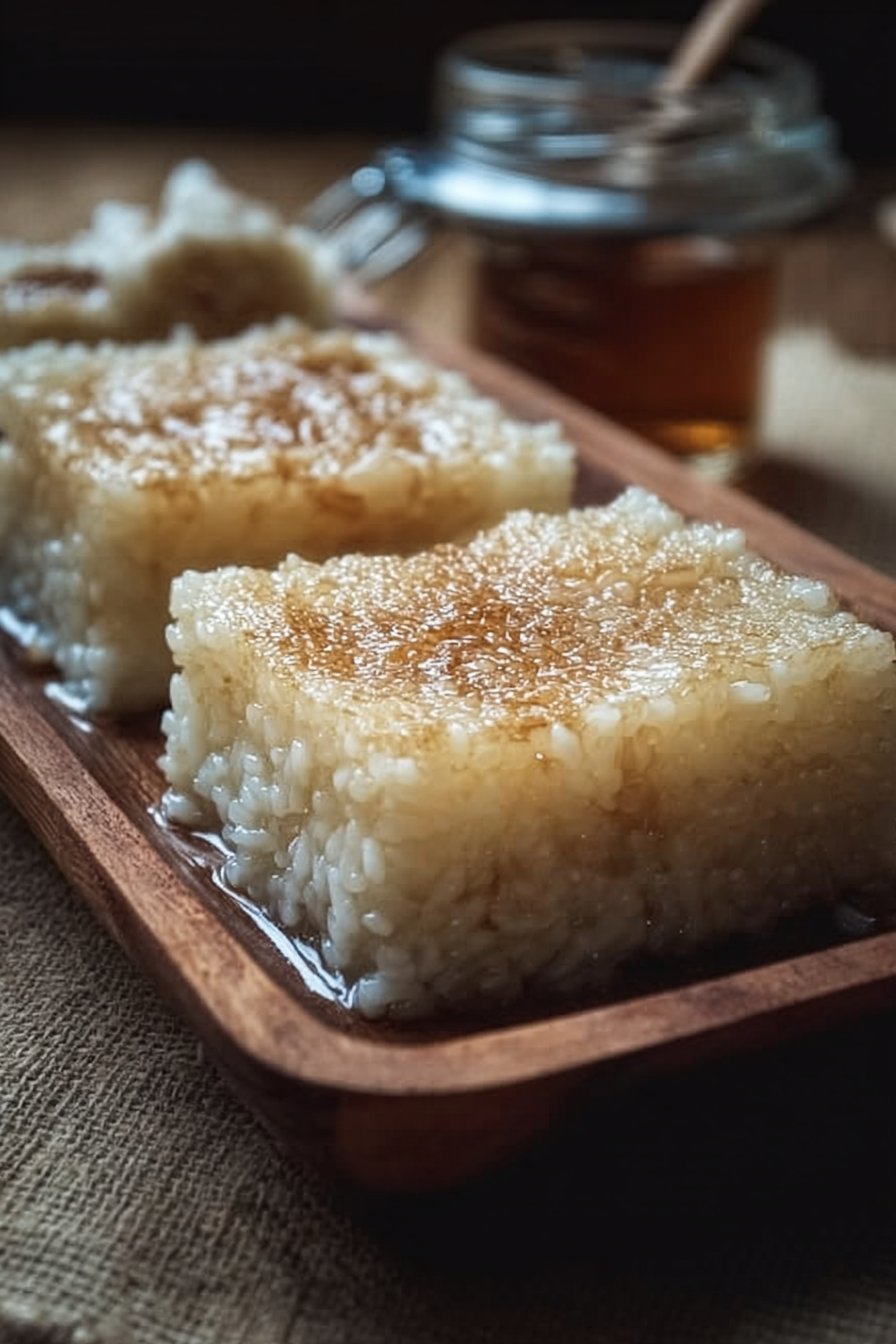
Once cooked, remove the tray from the steamer and let it cool for a few minutes. Once slightly cooled, portion the sticky rice cake into squares or diamonds. Optionally, serve it with additional coconut milk drizzled on top for a delightful finish.
Nutritional Value / Health Benefits
- Carbohydrates: Provides energy, making it an excellent source for post-activity replenishment.
- Fiber: Found in coconut milk, fiber aids digestion and helps maintain a healthy gut.
- Healthy Fats: Coconut milk contains medium-chain triglycerides (MCTs) that may offer numerous health benefits, including improved metabolism.
- Antioxidants: Ingredients like pandan or any added fruits can supply antioxidants that contribute to overall health.
- Minerals: Coconut milk is rich in potassium and magnesium, vital for heart health and muscle function.
Healthier Alternatives
- Coconut Milk: Substitute with almond milk for a dairy-free option, though this will alter the flavor significantly.
- Sugar: Use agave syrup or a monk fruit sweetener for a lower glycemic index alternative, offering sweetness without the same blood sugar impact.
- Glutinous Rice: Brown glutinous rice can be an alternative for added fiber, while it will yield a nuttier flavor profile.
Serving Suggestions
- Fresh Fruits: Serve with sliced ripe mango or jackfruit to balance the sweetness and enhance the tropical experience.
- Dessert Toppings: Consider adding toasted coconut flakes or sesame seeds for delicious texture and flavor contrast.
- Traditional Pairings: Pair with hot chocolate or coffee for a delightful afternoon snack.
- Festive Presentation: Arrange slices on a decorative platter with edible flowers for an eye-catching centerpiece during celebrations.
Common Mistakes to Avoid
- Not Soaking the Rice: Skipping the soaking process can lead to uneven cooking and a less desirable texture. Always allow ample time for soaking.
- Overpacking the Mixture: Packing the rice mixture too tightly can result in a dense cake; ensure you leave some room for it to expand during steaming.
- Failing to Monitor Steam: Maintaining an adequate water level in the steamer is vital for even cooking. Check periodically to avoid running out of water.
Storing Tips
- Room Temperature: Kakanin can be stored at room temperature for up to two days if kept in a covered container.
- Refrigeration: For longer storage, wrap tightly in plastic wrap and refrigerate, where it can last for about a week.
- Freezing: If you want to keep it even longer, consider freezing the slices in an airtight container. To serve, simply reheat in a steamer or microwave.
Conclusion
Filipino sticky rice cake is not just a recipe; it’s a celebration of flavors, culture, and community. With just a handful of ingredients and some simple steps, you can bring this beloved delicacy into your home. Try it today and share your experience in the comments or subscribe for more delicious recipes.

FAQs
- A: Q: Can I use regular rice instead of glutinous rice?
- A: While you can, regular rice won’t provide the same chewy texture that is characteristic of kakanin, resulting in a different experience.
- B: Q: Is it necessary to use banana leaves?
- A: Not at all. While banana leaves add unique flavor and aroma, you can use parchment paper if needed.
- C: Q: How can I tell when the sticky rice cake is done?
- A: The cake is done when it feels firm to the touch, and a toothpick inserted in the center comes out clean. This generally takes about 40 minutes of steaming.
Filipino Sticky Rice Cake
- Total Time: 65 minutes
- Yield: 8 servings 1x
- Diet: Vegetarian
Description
A traditional Filipino dessert known as kakanin, this sticky rice cake captures the essence of Filipino culture with its chewy texture and rich flavors from coconut milk and sugar.
Ingredients
- 2 cups glutinous rice
- 1 cup coconut milk
- 1 cup granulated sugar
- Pinch of salt
- Banana leaves (or parchment paper)
- Food color (optional)
Instructions
- Soak the rice in water for at least 4 hours or overnight.
- Prepare banana leaves by washing and trimming them, then lightly char them for pliability.
- Mix coconut milk, sugar, and salt, then combine with drained rice until coated.
- Spread the rice mixture onto banana leaves in a steaming tray and add food coloring if desired.
- Steam for 40 minutes or until firm.
- Cool, cut into squares, and serve optionally with coconut milk on top.
Notes
Serve with fresh fruits or toasted coconut flakes for added flavor. Be mindful to maintain water levels while steaming.
- Prep Time: 25 minutes
- Cook Time: 40 minutes
- Category: Dessert
- Method: Steaming
- Cuisine: Filipino
Nutrition
- Serving Size: 1 serving
- Calories: 250
- Sugar: 18g
- Sodium: 40mg
- Fat: 8g
- Saturated Fat: 7g
- Unsaturated Fat: 1g
- Trans Fat: 0g
- Carbohydrates: 38g
- Fiber: 2g
- Protein: 3g
- Cholesterol: 0mg
Keywords: Filipino dessert, kakanin, sticky rice cake, coconut milk, traditional recipes