
Cozy, Protein-Packed Pancakes for Busy Mornings
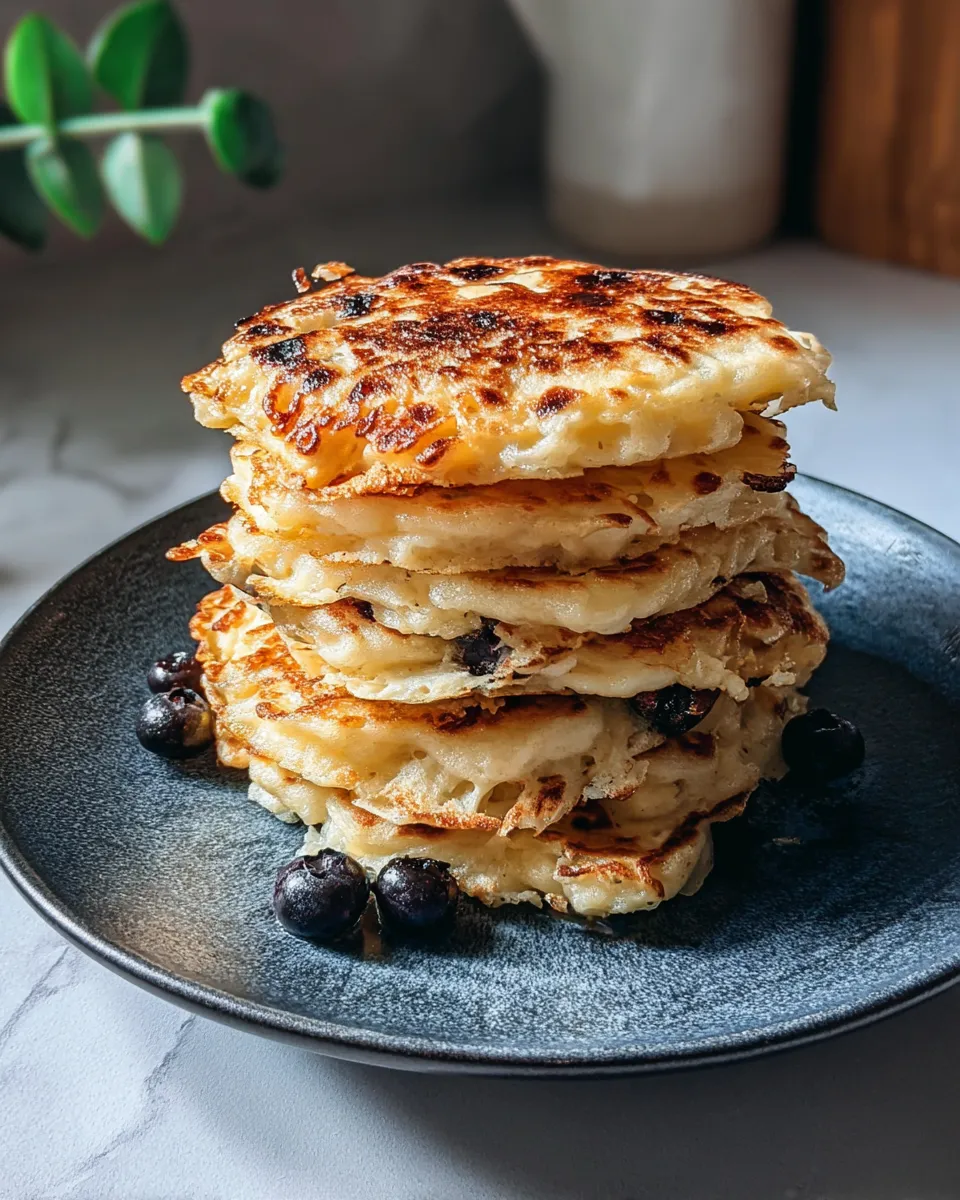
These glutenfree cottage cheese pancakes are my secret for a morning that feels indulgent but actually powers me through the day. They’re slightly crisp on the outside, tender and cottage-cheese-slightly-tangy on the inside, and they come together faster than a stack of traditional pancakes—perfect for slow weekends or rushed weekday breakfasts.
If you love pancakes that don’t collapse into a soggy mess and keep you full for hours, you’ll want to try this version. They’re forgiving, easy to tweak, and brilliant with a bright fruit compote or a smear of nut butter. Let’s get flipping.
Ingredients
- 1 cup cottage cheese — Use full-fat for creamier pancakes; small-curd gives a fluffier texture. Drain slightly if very watery.
- 3 large eggs — Adds structure and richness; room temperature mixes more evenly.
- 3/4 cup gluten-free all-purpose flour — A 1:1 blend with xanthan gum works well; swap for oat flour for nuttier flavor (batter will be thicker).
- 2 tablespoons sugar or maple syrup — Balances the tang of the cottage cheese; reduce or omit for savory versions.
- 1 teaspoon baking powder — Gives lift; ensure it’s fresh for the best rise.
- 1/4 teaspoon salt — Enhances flavor; don’t skip.
- 1/2 teaspoon vanilla extract — Warms the flavor; optional if serving with savory toppings.
- 2–3 tablespoons melted butter or neutral oil, plus extra for the pan — Butter browns nicely; oil keeps them dairy-rich if you prefer.
- Optional: 1/4 teaspoon cinnamon or lemon zest — For a bright, cozy note; add to batter or sprinkle on top.
Instructions
- Whisk together the eggs, cottage cheese, vanilla, and melted butter in a bowl. You’ll see little curds suspended in a glossy mixture — that’s the texture we want. Let it sit 1–2 minutes so the cottage cheese softens slightly.
- In a separate bowl, combine the gluten-free flour, baking powder, salt, and sugar. Give it a quick whisk so the leavening is evenly distributed and you won’t get pockets of powder in the batter.
- Fold the dry ingredients into the wet mixture until just combined. The batter should be thick but spoonable; a few small lumps are fine. If it feels rock-solid, stir in a tablespoon of milk or water to loosen it.
- Heat a nonstick skillet or griddle over medium. Test with a drop of water — if it dances, you’re ready. Add a little butter or oil and swirl to coat; you want a thin sheen, not a pool of fat.
- Spoon 1/4-cup portions of batter onto the hot surface. They’ll spread slightly; use the back of the spoon to nudge them round if you like. Cook 2–3 minutes until edges set and small bubbles appear on top, with the bottoms golden brown.
- Flip gently and cook another 1–2 minutes until the second side is golden and an inserted toothpick comes out clean-ish (a few moist crumbs are okay). Transfer to a wire rack or plate and keep warm while you finish the rest.
- Serve immediately for the crispiest edges. If keeping warm in the oven, set it to 200°F (95°C) and place the pancakes single layer on a tray so they stay tender without going soggy.
Tips & Variations
- Make them dairy-free: Use a dairy-free cottage-cheese alternative or finely mashed silken tofu plus a splash of nondairy milk; adjust salt to taste.
- Flour swaps: Almond flour creates a nutty profile (use 3/4 the amount and add an extra egg), while rice or millet flours work with the original ratio—expect a slightly crumblier crumb.
- Add-ins: Fold in 1/3 cup fresh berries, 2 tablespoons mini chocolate chips, or 1 tablespoon chia seeds for texture and flavor bursts.
- Savory twist: Omit sugar and vanilla, add 2 tablespoons chopped chives, 1/4 teaspoon black pepper, and serve with smoked salmon or a fried egg.
- Heat control: Medium to medium-low keeps the centers tender while building a golden crust. If the outsides brown too fast, lower the heat slightly.
- Storage & reheating: Refrigerate cooked pancakes in an airtight container for up to 3 days. Reheat gently in a 325°F oven for 7–10 minutes or in a skillet over low heat to restore crisp edges. Avoid the microwave if you want to keep texture.
Serving Suggestions
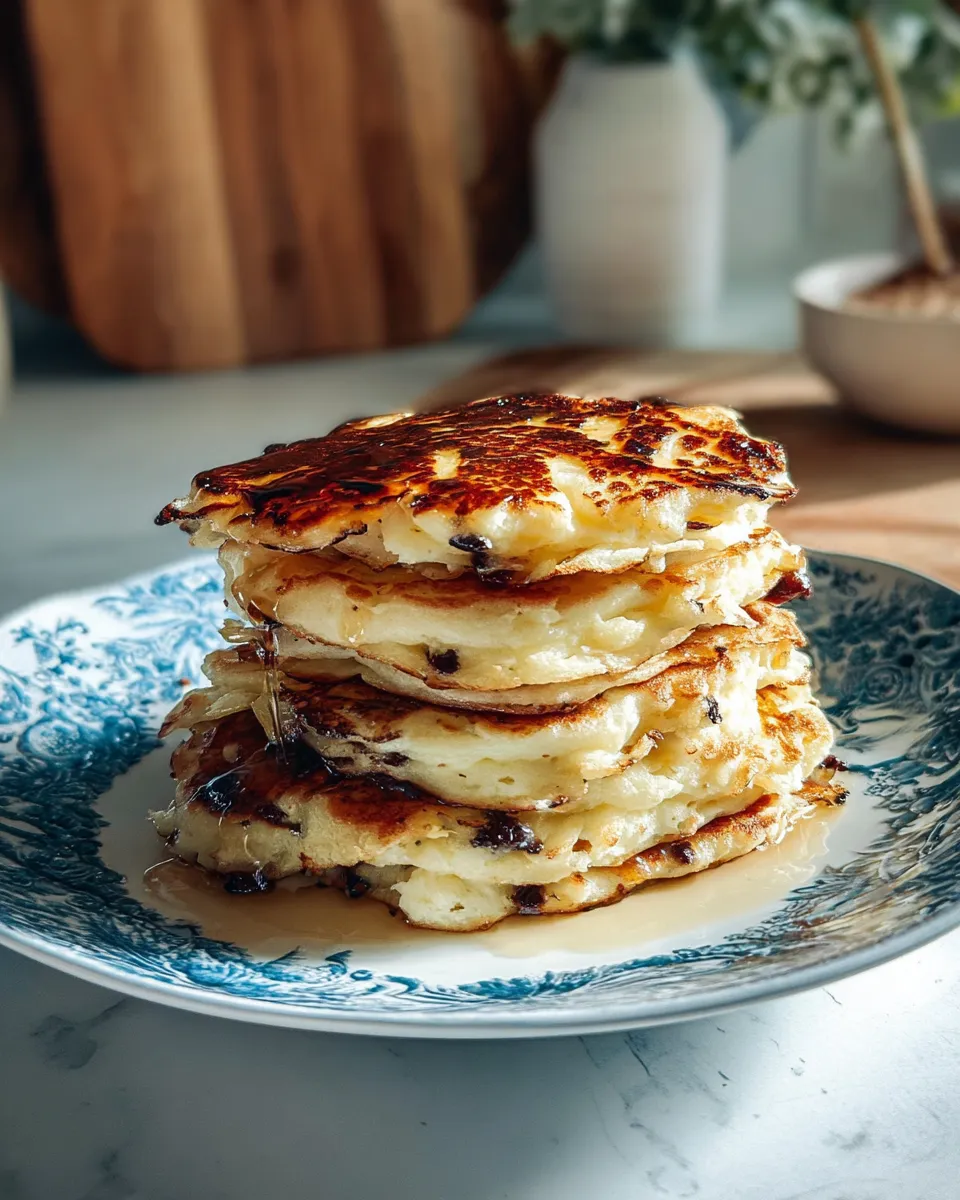
- Sweet breakfast stack: Top with warm berry compote, a dollop of yogurt, and a drizzle of maple syrup. Sprinkle with toasted nuts for crunch.
- Savory brunch plate: Serve with poached eggs, avocado slices, and a handful of peppery arugula dressed in lemon and olive oil.
- Light lunch idea: Stack two pancakes with smoked turkey, spinach, and a smear of herbed cream cheese—cut in half for easy eating.
- Presentation tips: Stack odd-numbered pancakes (3 or 5) for visual appeal, add a dusting of powdered sugar or lemon zest, and serve on a warm plate to keep them cozy.
- Make it a meal: Pair with a simple green salad and roasted cherry tomatoes for a balanced lunch that still feels like comfort food.
FAQs
Why are my pancakes dense and how can I make them fluffier?
Density usually comes from overmixing or expired baking powder. Mix until the dry ingredients are just incorporated—don’t break down the curds too much. Use fresh baking powder and allow the batter to rest 3–5 minutes before cooking to let air pockets form.
Can I make the batter ahead of time or freeze the cooked pancakes?
You can make the batter up to 2 hours ahead (store covered in the fridge). Cooked pancakes freeze beautifully: flash-freeze single layers on a tray, then transfer to a freezer bag for up to 2 months. Reheat straight from frozen in a skillet or oven.
What’s the best way to reheat without losing crispness?
Skip the microwave if you want crisp edges. Reheat in a 325°F (160°C) oven for 7–10 minutes or in a skillet over low heat with a pat of butter or oil. This brings back some crunch while keeping the center tender.
Which gluten-free flours work best (the “pasta types” of flour)?
For a neutral flavor and reliable texture, a 1:1 gluten-free all-purpose blend with xanthan gum is easiest. Single flours like almond, oat, or rice can work but behave differently—almond flour is denser, oat flour absorbs more moisture, and rice flour can be slightly gritty unless finely milled. Experiment in small batches to find your favorite.
Can I swap cottage cheese for something else and still get a similar result?
Yes—silken tofu blended with a touch of lemon juice or Greek yogurt can mimic the tang and moisture. Ricotta is the closest in texture and taste but may yield slightly creamier pancakes. If using a lower-moisture substitute, add a tablespoon of milk to reach the right batter consistency.
How do I keep fruit compote or syrup silky and not grainy when serving?
For a silky compote, simmer fruit gently with a splash of water and a sweetener until it’s just broken down, then strain for an ultra-smooth finish if desired. Avoid boiling too vigorously and don’t over-sugar early—adding a tiny bit of lemon juice at the end brightens flavor without crystallizing the syrup.
Final Thoughts
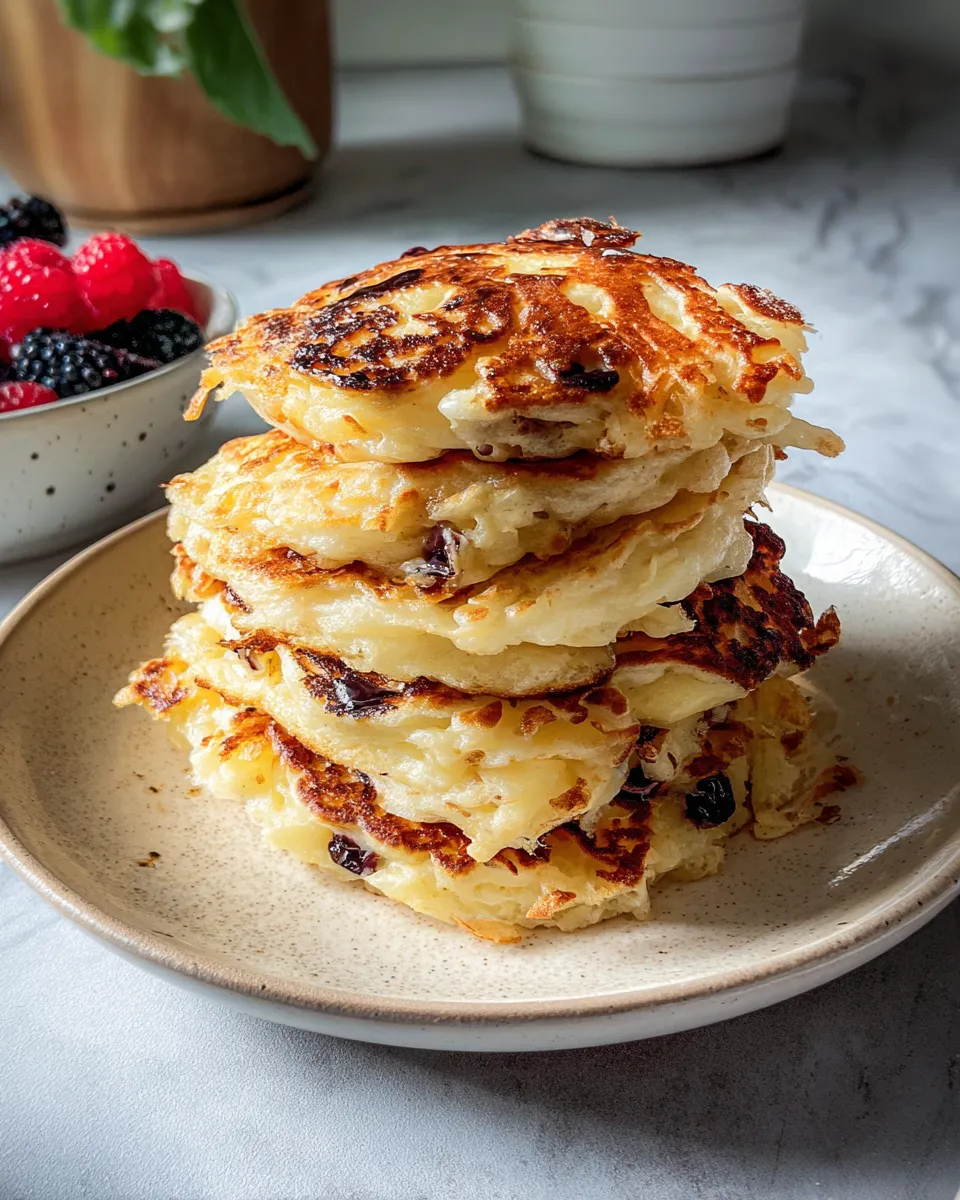
These gluten-free cottage cheese pancakes are a small tweak to a classic that gives you extra protein, quick prep, and lots of versatility. Whether you like them sweet and syrupy or savory and stackable for lunch, they’re forgiving, flavorful, and perfect for pinning to your breakfast board.
Try a batch this weekend—play with one add-in or swap, and you’ll likely find a new favorite that fits your morning routine. Happy cooking and even happier flipping!
Print
GlutenFree Cottage Cheese Pancakes
- Total Time: 25 minutes
- Yield: 8 pancakes 1x
- Diet: gluten-free
Description
Whip up fluffy proteinpacked glutenfree cottage cheese pancakes in minutes simple steps breakfast boost and a golden tender bite every time
Ingredients
1 cup cottage cheese (full-fat recommended; small-curd preferred; drain slightly if very watery)
3 large eggs (room temperature)
3/4 cup gluten-free all-purpose flour (1:1 blend with xanthan gum)
2 tablespoons sugar or maple syrup (reduce or omit for savory versions)
1 teaspoon baking powder
1/4 teaspoon salt
1/2 teaspoon vanilla extract (optional for savory)
2–3 tablespoons melted butter or neutral oil, plus extra for the pan
Optional: 1/4 teaspoon cinnamon or lemon zest
Instructions
-
Whisk together the eggs, cottage cheese, vanilla, and melted butter in a bowl. Let sit 1–2 minutes so the cottage cheese softens slightly.
-
In a separate bowl, combine the gluten-free flour, baking powder, salt, and sugar. Whisk briefly to distribute the leavening evenly.
-
Fold the dry ingredients into the wet mixture until just combined. Batter should be thick but spoonable; if too stiff, stir in 1 tablespoon milk or water.
-
Heat a nonstick skillet or griddle over medium. Add a thin sheen of butter or oil to coat the surface.
-
Spoon 1/4-cup portions of batter onto the hot surface. Cook 2–3 minutes until edges set and small bubbles appear on top, then flip and cook another 1–2 minutes until golden.
-
Transfer cooked pancakes to a wire rack or plate and keep warm while finishing the rest. To keep warm in the oven, set to 200°F (95°C) and place pancakes single layer on a tray.
-
Serve immediately for the crispiest edges, or pair with fruit compote, nut butter, or savory toppings as desired.
Notes
Slightly crisp, tender gluten-free cottage cheese pancakes that are high in protein and quick to make—perfect for busy mornings. Serve sweet with fruit compote or savory with smoked salmon.
- Prep Time: 10 minutes
- Cook Time: 15 minutes
- Category: Breakfast
- Cuisine: American
Nutrition
- Serving Size: 8 pancakes
- Calories: 300 kcal
- Sugar: 6 g
- Fat: 14 g
- Carbohydrates: 22 g
- Fiber: 1.5 g
- Protein: 16 g
Keywords: gluten-free, cottage cheese pancakes, high-protein, breakfast, brunch, quick pancakes